
Sharqiya Sands (formerly known as Wahiba Sands) is one of the most impressive natural formations in Oman. The endless, wind-sculpted golden sand dunes create powerful visuals, especially through the lens of a photographer. In this striking desert, it is possible to capture memorable shots with the right timing and technical approach.
Best Times for Photography in Sharqiya Sands: Sunrise and Sunset
The most suitable times for photography in Sharqiya Sands are the moments when the sun is close to the horizon: sunrise and sunset. These hours not only provide the warm and saturated colors of the Golden Hour but also create long, dramatic shadows that accentuate the texture of the sand.
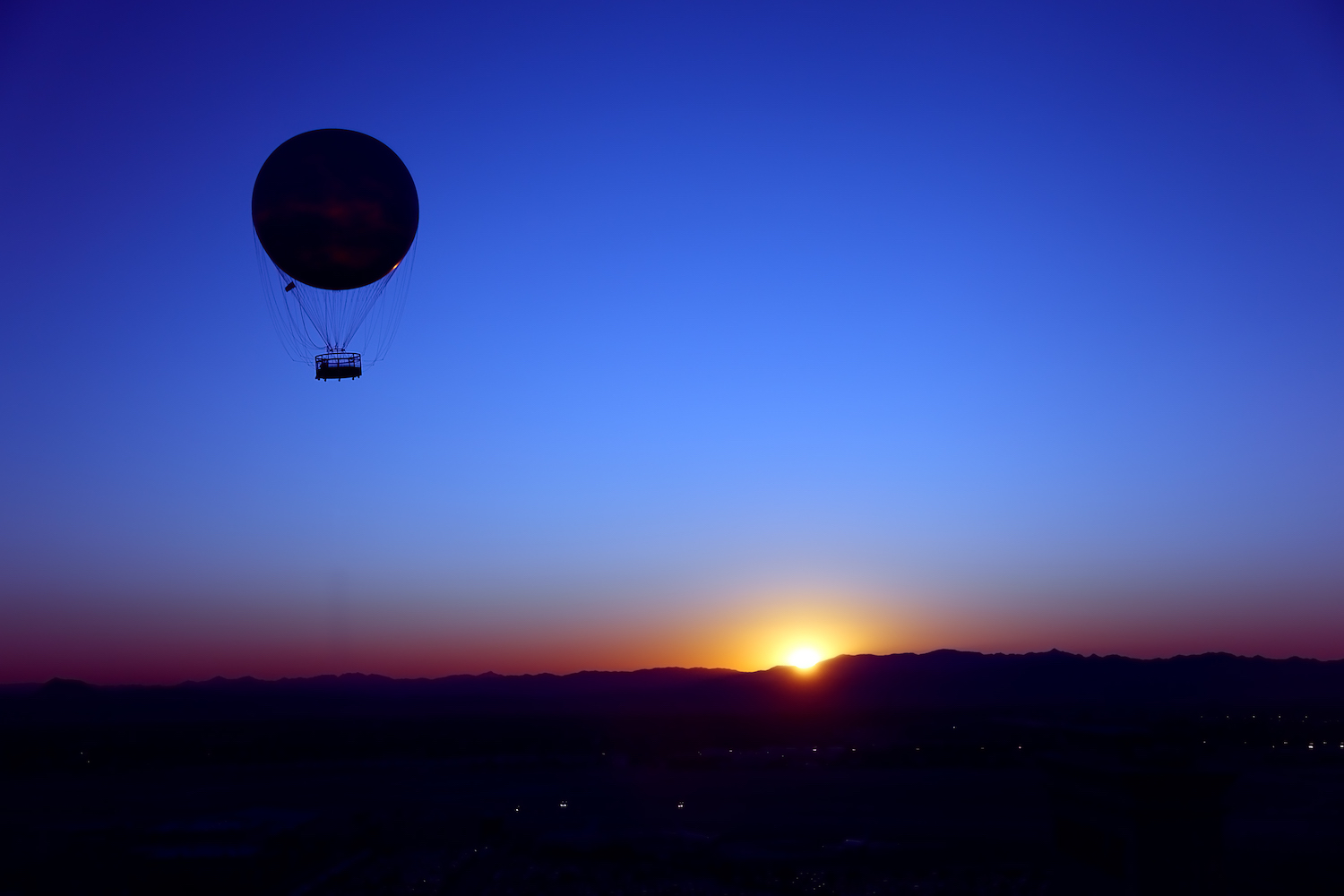
An important visual opportunity offered by the region is the hot air balloon tours. Balloons usually take off with the sunrise. Their silhouettes rising over the dunes and the first light breaking on the horizon are ideal for a dynamic composition. You can add movement to the desert landscape by using the colorful baskets or silhouettes of the balloons
Photography is not recommended during the midday heat due to the harsh light and the flattening of the sand surface.
How to Most Effectively Use Light and Colors When Taking Photos in the Oman Desert?
The success of the shot largely depends on light management. The light hitting the surface horizontally during the Golden Hour highlights every curve of the dunes and the subtle lines (Ripples) created by the wind. Applying the backlighting technique during these moments creates a bright contour around the edges of the sand, adding depth and volume to the photo.
The Blue Hour, just before sunrise and sunset, allows for capturing more peaceful images by contrasting the cool tones of the sky with the warm reflections of the sand. It is important to remember the risk of sandstorms and prioritize protecting equipment from sand.
Composition and Framing Tactics in Sharqiya Sands
To create a successful composition in Sharqiya Sands landscapes, two main elements should be focused on: leading lines and scale. The natural curves of the sand dunes are strong leading lines that direct the viewer’s eye into the depth of the frame. Use wide-angle lenses to emphasize these lines.
Adding an object of scale is critical to conveying the vastness and size of the desert. An object like a camel walking on the horizon, a small Bedouin tent, or a sunrise balloon will successfully emphasize the dimension of the landscape. For creating perspective, construct frames that combine the surface details of the sand in the foreground with the large dunes in the background.